
All Stories

Shoji vs. Fusuma: How Two Sliding Screens Shape Light, Privacy, and Art in Japanese Interiors
Shoji and fusuma are traditional Japanese sliding partitions that serve distinct architectural and aesthetic purposes, with shoji diffusing light through translucent washi paper and fusuma acting as opaque walls often used as art canvases.

Why Shaker Furniture Looks the Way It Does: Belief Made Visible in Wood
Shaker furniture's spare, unadorned look is a physical expression of religious conviction, rooted in principles of honesty, utility, and simplicity. Understanding this connection reveals how each feature traces back to the Shakers' beliefs and practical communal living.

Saving Heirloom Seeds: A Beginner's Path from Bolting Plants to a Full Seed Jar
Saving heirloom seeds is an accessible practice for home gardeners, with bolted crops like lettuce, radishes, and carrots offering an easy starting point. The process involves letting plants flower and dry, harvesting, cleaning, and storing seeds, contributing to biodiversity and culinary heritage.
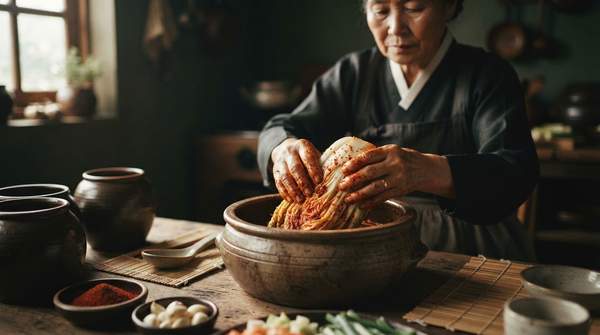
How Centuries of Korean Tradition Engineered a Safe, Sour, Living Food: The History and Science of Kimchi Fermentation
Kimchi is a sophisticated fermented food engineered by centuries of Korean tradition, where empirical preparation methods precisely control a predictable succession of bacteria for safety and flavor. This living cultural artifact represents a deep, ongoing convergence of history and microbial science.
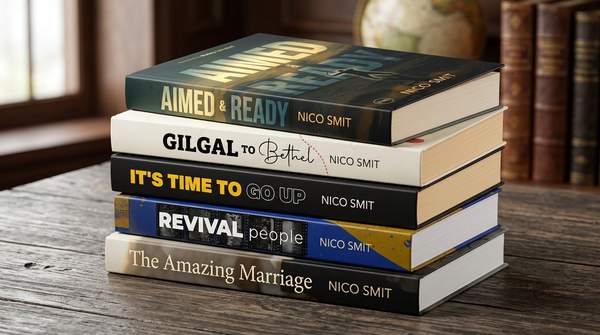
Stuck on Navigating Spiritual Guidance? How Nico Smit Helps Church Leaders
Leading a church can be an isolating experience, especially when facing complex spiritual and organizational challenges. For many pastors and ministry leaders, finding clear, trusted direction is a constant struggle. Thi…
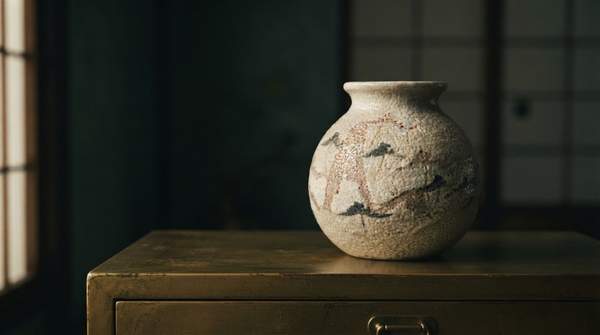
Beyond the Famous Glazes: How Local Ash, Kiln Fire, and Zen Shaped Japan's Regional Pottery
Explore Japan's regional pottery traditions, where local ash, kiln fire, and Zen philosophy shaped unique glaze aesthetics beyond famous porcelain styles. Discover how material choices and cultural values created distinct ceramic surfaces.

How Michel de Montaigne Invented the Personal Essay
Michel de Montaigne is credited with inventing the personal essay in the 16th century, establishing its core characteristics: the author's self as subject, skeptical inquiry, associative structure, and unfiltered candor.
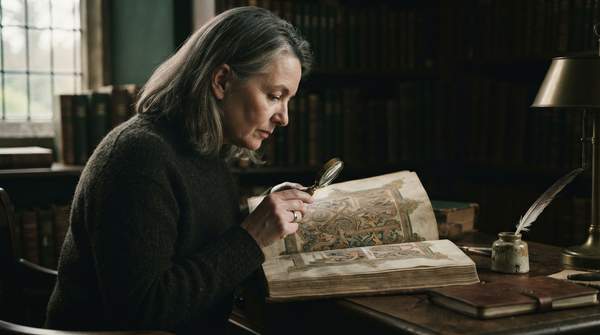
Reading the Book of Kells: How to Recognize the Insular Art Style on Its Pages
Learn to recognize the distinct Insular art style within the Book of Kells by identifying its core components: intricate interlace, zoomorphic figures, carpet pages, and elaborate initials. This guide helps you read the manuscript's deliberate system of techniques.
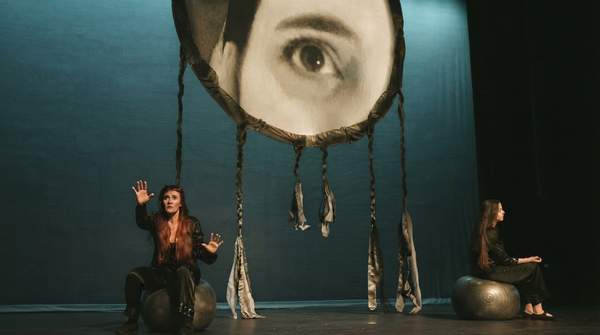
Open Scene Festival Unveils Global Lineup for 2026 Return
The Open Scene International Performing Arts Festival returns to Central Florida from October 12-18, 2026, featuring a diverse global lineup of performances, installations, and workshops at the Maitland Art Center.

Beyond the Fad: How Dr. Gina Nick Uses Physician-Guided Detoxification for Lasting Metabolic Health
Dr. Gina Nick offers physician-guided detoxification through her Radiant Reset™ program, a 21-day purification experience designed to support the body’s natural detoxification systems and metabolic balance. This structured approach helps individuals achieve lasting metabolic health beyond wellness fads.

How Fermented Vegetables Boost Gut Health
Fermented vegetables, historically a preservation staple, are now recognized for their significant gut health benefits by introducing beneficial microbes that enhance gut microbial diversity and support a healthy digestive system.

Coptic vs. Ethiopian Bookbinding: A Guide to Their Distinctive Structures
Coptic and Ethiopian bookbinding styles, originating from early Christian communities in the Near East, share a common ancestry but possess distinct structural and aesthetic characteristics. Examining their sewing methods, cover construction, and materials reveals key differences that define these influential techniques.
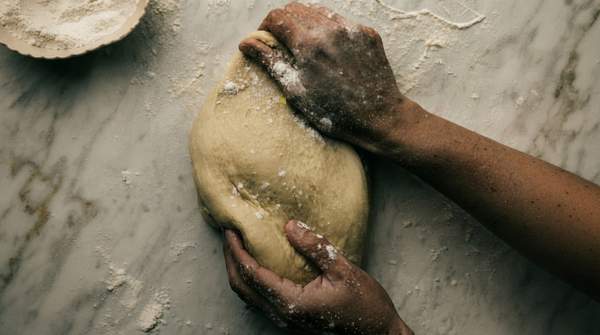
The Ancient Alliance: How Sourdough’s Microbial Ecosystem Shaped Millennia of Bread
Sourdough bread, a tradition spanning millennia, relies on a complex microbial ecosystem of wild yeasts and lactic acid bacteria. This ancient leavening method, distinct from modern commercial yeast, offers unique flavors, textures, and historical significance.
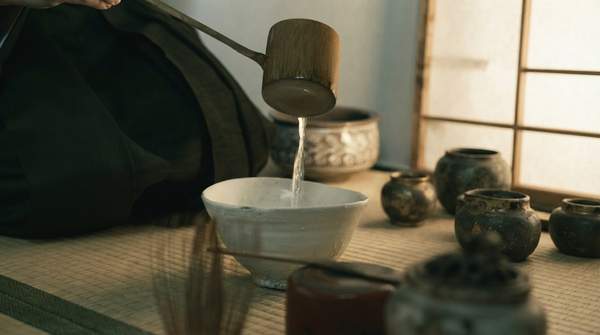
The Way of Tea: How Philosophy Shapes Every Gesture in Chanoyu
The Japanese Tea Ceremony, Chanoyu, is a spiritual discipline rooted in Zen Buddhism and Shintoism, transforming tea preparation into a profound practice of presence and connection. Codified by Sen no Rikyū, its core principles of harmony, respect, purity, and tranquility guide participants toward inner peace and mindful living.
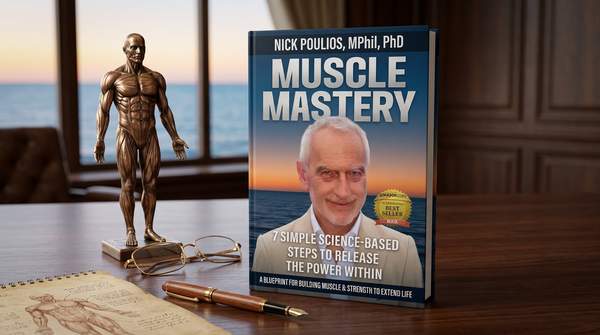
How Dr. Nick Poulios' Method Builds Strength and Cognitive Health for the Long Term
Dr. Nick Poulios' book, "Muscle Mastery," outlines a method for building strength and cognitive health for the long term, emphasizing strength training, nutrition, physiology, and the body-mind connection. This approach integrates scientific insights with practical fitness strategies for lifelong well-being.
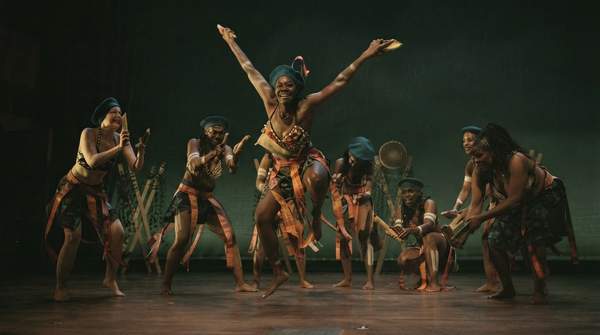
The Griot: West Africa's Living Library and Cultural Voice
Griots are West Africa's living libraries, serving as oral historians, storytellers, musicians, and diplomats who preserve cultural heritage and community memory. Their multifaceted roles, dating back to the Mande Empire, involve intricate storytelling, musical performance with instruments like the kora, and diplomatic mediation, ensuring traditions are passed across generations.
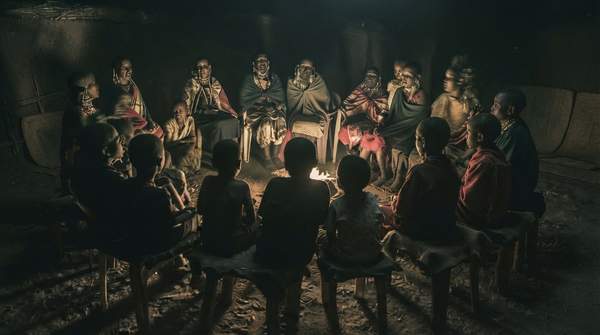
The Cultural Blueprint in West African Proverbs
West African proverbs are sophisticated tools for moral guidance, cultural preservation, and social harmony, encapsulating ancestral wisdom to shape identity and behavior. They function as living instruments for navigating life, resolving conflict, and educating future generations.

A Planning Framework for Slow Travel and Deeper Cultural Immersion
Slow travel offers a profound alternative to conventional tourism, shifting the focus from the quantity of sights seen to the quality of the experience itself. By embracing a more deliberate pace, travelers can engage with culture, community, and environment in a more meaningful way.
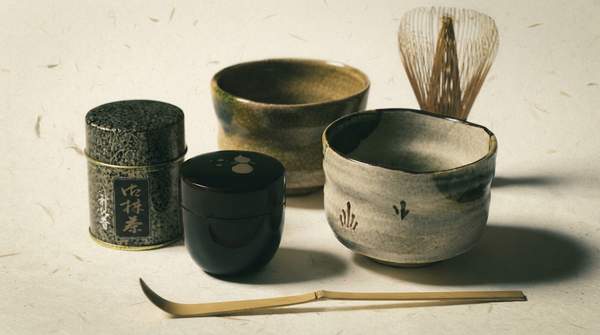
The Artful System of Japanese Tea Ceremony Utensils
Japanese tea ceremony utensils, known as chadōgu, are carefully selected objects of art and history, not mere tools. Their deliberate arrangement, guided by aesthetic principles like toriawase and wabi-sabi, creates a unique, harmonious, and meaningful experience.

5 Ways Advanced Health Chiropractic Helps Reno Athletes Recover Faster and Prevent Injury
Advanced Health Chiropractic helps Reno athletes recover faster and prevent injury through a sophisticated, proactive approach that goes beyond traditional methods. They utilize integrated diagnostics, advanced technologies like Class IV Laser Therapy, and regenerative medicine to address root causes and accelerate healing.

The Heartbeat of a Tradition: How Three Instruments Define Irish Music
Traditional Irish music is defined by the distinct voices of the fiddle, bodhrán, and uilleann pipes, each embodying melody, rhythm, and emotional depth. These instruments are custodians of a cultural legacy, shaped by oral tradition and regional identity, forming the heart of Ireland's enduring musical heritage.

Hill, Stone, and Path: Understanding Japan's Three Traditional Garden Styles
Explore the three primary traditional Japanese garden styles: Tsukiyama (hill gardens), Karesansui (dry gardens), and Chaniwa (tea gardens). Understand their historical evolution, distinct design elements, and unique philosophical purposes.

Ink and Intention: Manuscripts vs. Letters in the Handwritten Age
Before the printing press, handwritten communication served two distinct purposes: illuminated manuscripts as breathtaking works of art and symbols of status, and epistolary letters as vital personal connections across distances. The article compares their unique roles, creators, and cultural significance in the pre-print era.
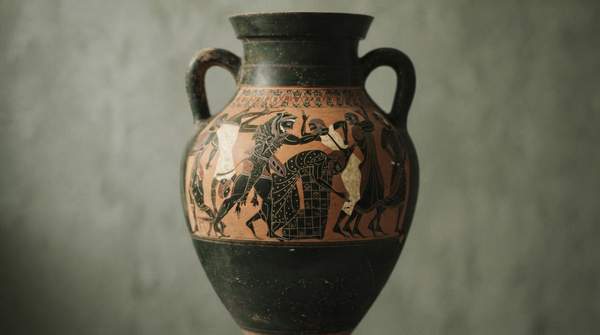
Comparing Three Mythological Creatures: Cultural Origins and Enduring Symbolism
This article compares the cultural origins and enduring symbolism of mythological creatures such as Medusa, Dragons, and the Phoenix. It explores how these beings reflect diverse cultural values, fears, and aspirations, revealing both universal human themes and distinct societal interpretations.