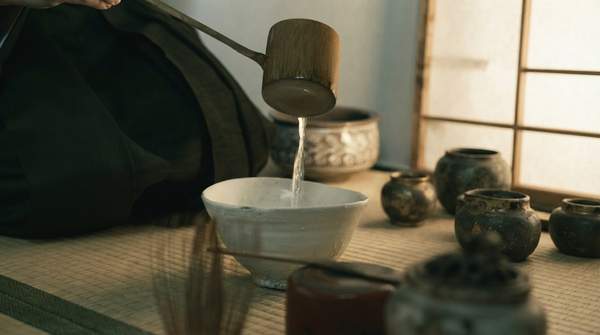
The Japanese Tea Ceremony, known as Chanoyu or "the way of tea," is a profound cultural practice that elevates the simple act of preparing a beverage into a spiritual discipline. Far more than a ritual, it is a choreographed expression of deep philosophical principles rooted in Zen Buddhism and Shintoism. The saying Cha zen ichimi, meaning "Tea and Zen are one taste," captures the essence of this connection, suggesting the spirit of the ceremony and the path to enlightenment are one and the same. At its heart, Chanoyu is a shared journey toward a single, unrepeatable moment of presence and connection.
This intricate art form was codified in the 16th century by the influential tea master Sen no Rikyū, who established four guiding principles: harmony (wa), respect (kei), purity (sei), and tranquility (jaku). These are not abstract ideals but are actively embodied in the host’s every movement, the guests’ mindful appreciation, and the deliberate choice of each utensil. To understand these principles is to see the tea ceremony not as a performance, but as a practical path toward inner peace, where philosophy is made tangible in a bowl of tea.
From Lavish Parties to a Spiritual Path
The quiet contemplation that defines modern Chanoyu evolved from much more boisterous origins. During the 13th and 14th centuries, Japanese aristocrats held lavish tea-tasting gatherings called tocha. According to an article on the website Deeper Japan, these events were competitive games where attendees would test their palates to identify different types of tea. The focus was on social display and connoisseurship, a stark contrast to the ceremony's later spiritual aims.
The transformation toward a more introspective practice began in the 15th century with Murata Jukō, a tea master who studied Zen Buddhism. Jukō is credited with developing tea as a spiritual practice, shifting the emphasis from extravagance to simplicity. This philosophical groundwork was fully realized a century later by Sen no Rikyū. He refined the ceremony into the art form practiced today, establishing its four core principles. Rikyū championed the aesthetic of wabi-sabi, a worldview centered on the acceptance of transience and the beauty of imperfection. Under his guidance, grand tea rooms were replaced by small, intimate spaces, and ornate imported ceramics gave way to rustic, locally crafted wares. This shift, as described by Deeper Japan, turned the tea ceremony into a ritual designed to create a singular moment of pure, unrepeatable hospitality.