
Symbolism
5 articles
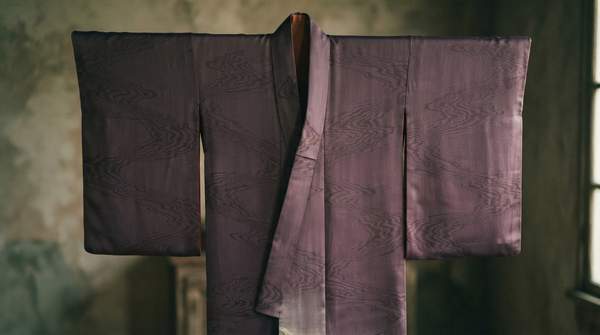
From Layered Court Robe to Kosode: How the Kimono Became Japan's Wearable Language of Identity
The garment known as the kimono evolved over a thousand years from a hidden under-robe to a sophisticated outer garment, becoming a wearable language of Japanese identity. Its colors, motifs, and construction communicate status, season, and taste, embodying a rich cultural heritage.

How Tatreez Evolved From Village Signature to Palestinian National Symbol
Tatreez, traditional Palestinian embroidery, evolved from a regional identifier to a powerful symbol of national identity and resistance. This living art form continues to narrate Palestinian history and culture, adapting its meanings across generations.

From Sacred Fire to Decorative Flame: How the Hearth Evolved from Survival Center to Symbol of Home
The hearth evolved from a vital center for survival—providing heat, light, and cooking—to a potent symbol of home, comfort, and nostalgia. This article traces its journey from ancient open fires to modern decorative features, highlighting the intensification of its symbolic weight as its practical necessity declined.

How Victorians Sent Secret Messages With Flowers — and How to Decode Them
During the Victorian era, floriography, or the language of flowers, allowed people to send secret messages of love, rejection, and grief through bouquets due to strict social etiquette. Decoding these floral arrangements requires understanding specific flower meanings, presentation nuances, and potential variations in interpretation.

Why Mochi Is Sacred: The Shinto Symbolism Behind Japan's Ceremonial Rice Cakes
Mochi, the traditional Japanese rice cake, is deeply rooted in Shinto spirituality, serving as a sacred offering and symbol of purity. It has evolved into various ceremonial forms across Japanese holidays, highlighting its enduring cultural significance and communal traditions.