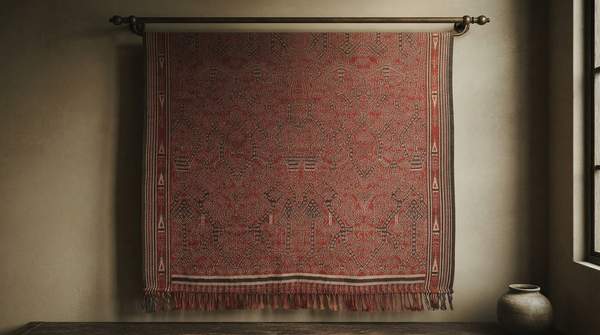
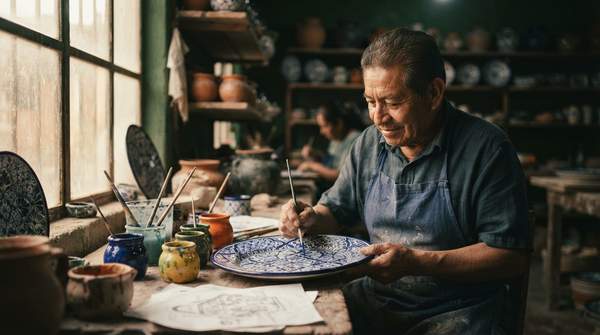
At New Delhi's National Crafts Museum, the 'Worlds Within Cloth: New Orders of Woven Making' exhibition will unveil handloom works that explore social, historical, and cultural contexts. Through immersive installations and artist-artisan collaborations, this event challenges the traditional view of handloom. It transforms the craft into a contemporary, research-driven art form, repositioning it as a vital part of India's modern cultural and economic landscape. This is a strategic governmental and artistic effort to bridge historical craft with contemporary discourse.
Official Hosts and Inauguration
The Ministry of Textiles will inaugurate 'Worlds Within Cloth: New Orders of Woven Making' on August 5, 2026, in New Delhi, hosted by the National Crafts Museum, according to News On AIR and DD India. While News On AIR and The Hans India use the full title, DD India shortens it to 'Worlds Within Cloth: New Orders.' This subtle branding difference could shape public perception of its academic depth. The joint backing by a national museum and a government ministry affirms the event's institutional significance.
Organizational Backing and Strategic Timing
The Office of the Development Commissioner (Handlooms), under the Ministry of Textiles, organizes 'Worlds Within Cloth,' confirms DD India. Direct governmental involvement signals a profound institutional commitment. The exhibition's timing, ahead of National Handloom Day, appears strategic, aiming to refresh handloom's public image and draw a younger audience. The Ministry's support suggests a pivotal shift: handloom is now a dynamic medium for contemporary artistic and cultural commentary, not merely a heritage craft to preserve.
Participants and Contemporary Focus
'Worlds Within Cloth' will feature contemporary textile artists, designers, and craft collectives, News On AIR reports. This selection moves beyond historical displays, showcasing innovative interpretations and current artistic practices. The 'artist-artisan collaborations' bridge traditional skills with modern artistic discourse, forging a new model for cultural production that values both heritage and innovation. This deliberate focus on contemporary practitioners positions handloom as relevant for a modern audience, highlighting its evolving artistic landscape.