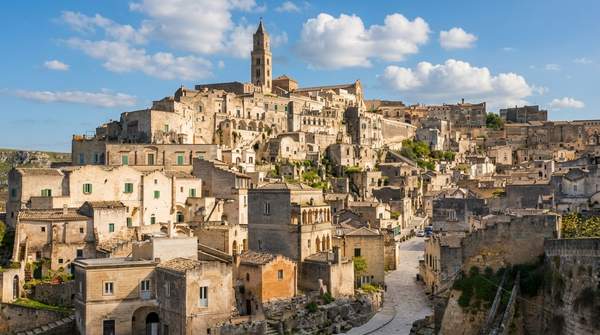
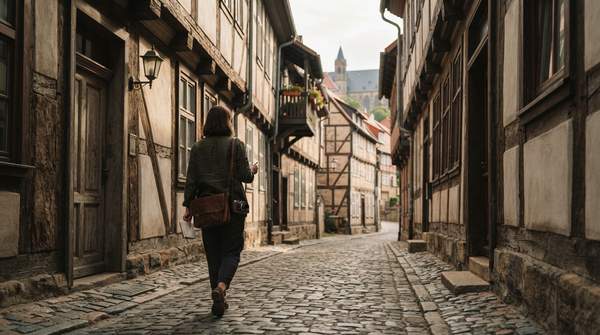
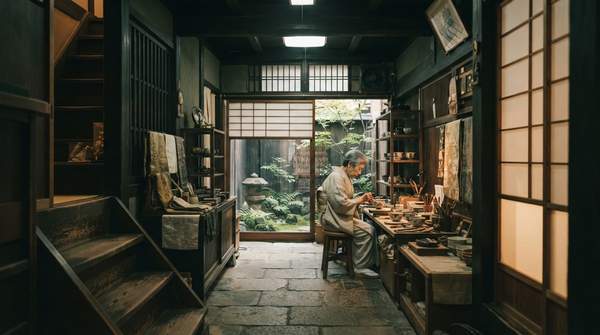
A coral reef can turn marine biology into a study of movement and adaptation. A geothermal basin can make Earth science visible, while a historic district can place political decisions and cultural change within the same few streets.
Educational student travel gives students the chance to examine ideas where they take physical form. Through Appleseed Expeditions, educators and group organizers can connect academic subjects with field observation, cultural immersion, service-learning, and guided reflection.
When a Subject Becomes a Place
Classroom lessons give students the vocabulary and background they need to study a subject. Field-based learning adds scale and context by placing those ideas inside a specific ecosystem, landscape, city, or community.
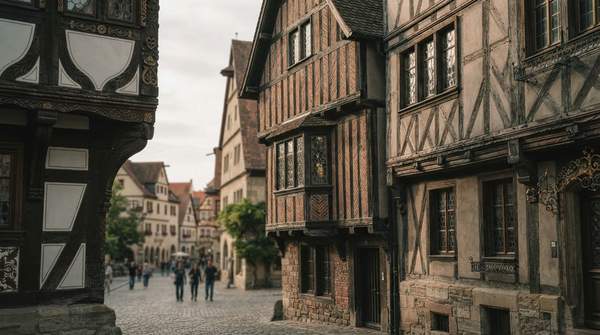
A student may understand coastal ecology differently after seeing how wildlife and habitat interact across a living shoreline. History can feel more immediate when architecture and local traditions reveal how past events continue to shape a place.
Appleseed Expeditions offers over 30 trips for middle school, high school, and college students. Its programs cover Marine Science, Earth Science and Wildlife, Language and Culture, Culture and Music, History, and Alternative Breaks.
That range gives educators several ways to begin with a learning objective and find a setting that supports it. The destination becomes part of the lesson as students observe patterns, ask questions, and connect their surroundings with material introduced before the trip.
Marine Science in Motion
Marine science becomes easier to investigate when students can observe the relationships that hold an ecosystem together. Coastal environments provide direct examples of biodiversity, adaptation, food webs, habitat pressures, and conservation work.
Appleseed Expeditions features marine science programs in the Florida Keys, Crystal River, the Emerald Coast, the Pacific Northwest, San Diego, the Cayman Islands, and the Outer Banks. Each location presents a different marine environment and set of study opportunities.
Students may encounter coral reef environments, manatee habitats, estuaries, coastal dunes, kelp forests, or sea turtle ecology. The specific subjects and activities depend on the selected program.
These settings give teachers a natural way to connect field observations with lessons introduced before the trip. Students can return to familiar concepts with particular places, species, and environmental relationships in mind.
Service-learning can extend the subject through participation tied to the program. Conservation-related activities provide a practical context for discussing stewardship, environmental needs, and the role knowledge can play in responsible action.
Earth Science at Full Scale
Earth science asks students to imagine processes that unfold across immense distances and spans of time. National parks and geologically active regions place evidence of those processes directly in front of them.
Yellowstone can support study of geothermal features, volcanic activity, wildlife ecology, and conservation. Other Appleseed Expeditions programs take students to the Grand Canyon, Zion, Bryce Canyon, Canyonlands, Arches, Mount Rainier, Hawaii, Yosemite, Oregon, and Costa Rica.
These destinations provide settings for exploring landforms and erosion. They can also support lessons involving water systems, climate, wildlife, and environmental change.
A canyon wall can show layers formed across different periods. A river corridor can reveal how water continues to shape the surrounding land, giving students evidence to describe and interpret.
Field study can also connect related subjects within the same setting. Geology may lead into ecology, water management, Indigenous history, land use, or conservation based on the destination and itinerary.
History, Language, and Culture in Context
History gains depth when students can connect events with the streets and buildings shaped by them. A physical setting gives students details to notice, questions to ask, and perspectives to consider.
Appleseed Expeditions offers history-focused programs along with trips centered on language, culture, and music. Destinations across North America, Central and South America, and Europe give groups options for exploring historical settings and cultural practices through direct exposure.
Language study also changes when students hear how words function in daily life. Tone, gesture, food, music, and local routines become part of communication.
Students can begin to understand why a phrase sounds natural in one situation and awkward in another. They also gain context for the customs and traditions connected to the language they are studying.
These programs encourage attentive travel. Students have reasons to listen closely, notice unfamiliar patterns, and consider how historical experiences continue to influence present-day communities.
Service-Learning Connects the Subject With Action
Appleseed Expeditions integrates service-learning into the design of its programs. Its process introduces students to cultures and ecosystems, then asks them to examine community or environmental needs.
Students participate through activities connected to their education and skills. Program categories include marine conservation, national park projects, city-based community service, and alternative breaks with environmental or humanitarian focuses.
A well-matched activity can deepen the academic subject by giving students a defined role within the setting they are studying. Conservation work can extend an ecology lesson, while community participation can add present-day context to language, culture, or history.
Participation can also shape the questions students bring to the experience. They may consider who understands a local need best, how useful work is organized, and what responsible contribution looks like within a community or ecosystem.
Mentors Help Students Process What They Encounter
A full day of field study can produce more observations than students can immediately organize. Guided reflection gives them time to identify patterns and connect activities with prior learning.
Appleseed Expeditions refers to its experienced guides as mentors. They support learning and reflection as students move through unfamiliar settings, activities, and cultural contexts.
The Appleseed Expeditions process includes daily reflection and discussion about what students observed and how they participated. Students also consider ways to use their education, talents, and interests after returning home.
Reflection connects each activity to the larger learning objective. It also gives teachers and group leaders a useful bridge between the field experience and later classroom discussion.
Finding the Right Fit for Your Group
A productive planning conversation can begin with the subject you want students to explore. Marine science, Earth science, history, language, culture, music, and service each lead toward different settings and forms of participation.
Age and group format also shape the choice. Alongside school programs, Appleseed Expeditions offers trips for scouts, faith-based groups, families and homeschool groups, college alumni, and college alternative break groups.
Browsing the available trip types can help you compare the educational purpose of each format before focusing on a destination. You can then consider the group’s learning goals, age range, interests, and preferred type of field experience.
A destination becomes easier to evaluate once the educational purpose is specific. You can look for a program where the subject, setting, service component, and reflection process all support the same goal.
Frequently Asked Questions
What subjects can students explore with Appleseed Expeditions?
Students can explore Marine Science, Earth Science and Wildlife, Language and Culture, Culture and Music, History, and Alternative Breaks. Appleseed Expeditions connects these subjects with field-based settings, service-learning, and reflection suited to the selected program.
How does service-learning fit into Appleseed Expeditions programs?
Service-learning connects the educational focus of a trip with participation related to community or environmental needs. Appleseed Expeditions introduces students to the setting, involves them through program-specific activities, and includes reflection on what they observed and contributed.
Which age groups are Appleseed Expeditions trips designed for?
Appleseed Expeditions offers over 30 trips designed for middle school, high school, and college students. Available formats also serve scout, faith-based, family and homeschool, alumni, and college alternative break groups.
Where can student groups travel with Appleseed Expeditions?
Appleseed Expeditions offers programs across North America, Central and South America, and Europe. Groups can explore national parks, coastal environments, cities, and cultural settings based on the subject and trip format they select.
Choose a Setting That Serves the Subject
Educational travel works best when the destination supports a specific learning purpose. Educators and group organizers can browse Appleseed Expeditions’ trip categories, identify a suitable subject and destination, and request a quote for a field-based program shaped by observation, service, and reflection.