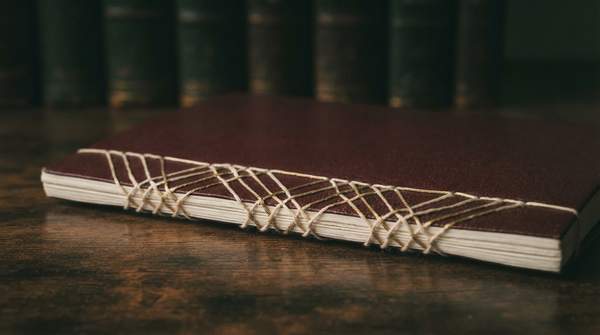
Every illuminated manuscript you see in a museum case is the product of a four-stage production chain — parchment making, writing, illumination, and binding — and, for most of the later Middle Ages, of a commercial trade run by specialized lay artisans rather than monks. The J. Paul Getty Museum, whose exhibition on medieval bookmaking laid out these stages, describes the process plainly: "the four stages involved in the making of a medieval book: parchment making, writing, illumination, and binding." Understanding that sequence, and the urban industry that grew up around it, changes how you read these objects.
The Enduring Craft of Illuminated Manuscripts
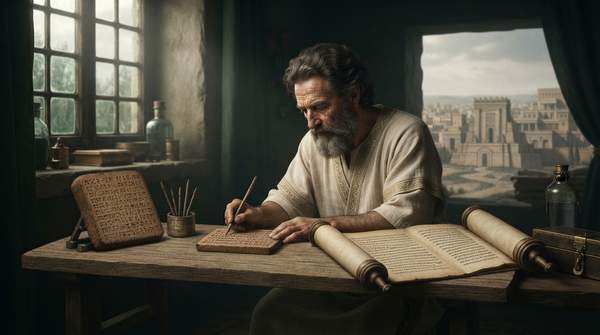
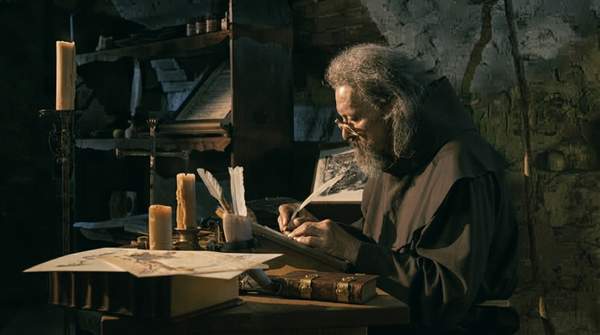
It is easy to imagine a medieval manuscript as the solitary achievement of a patient monk. Sometimes it was. But the finished books that survive — with their burnished gold initials, ruled pages, and stitched bindings — represent a division of labor as structured as any modern workshop. I want to walk you through both halves of the story: the physical craft, stage by stage, and the historical transformation that moved bookmaking out of the cloister and into the city.
The craft itself was conservative and demanding. A single luxury manuscript passed through the hands of several different specialists, each with distinct materials and skills. The Williamstown Art Conservation Center, in a study of medieval bookmaking in Paris, notes that "many artists and craftsmen were involved in making a single luxury manuscript including parchmenters, scribes, rubricator, gilder, border painters, manuscript painters, binders, and the patron." In some cases, one versatile person handled several steps — but the norm was collaboration.