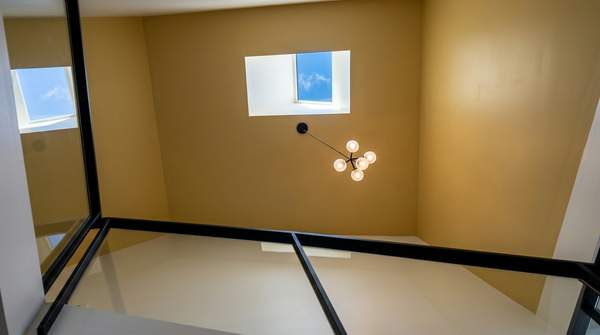
You can paint the walls, replace the light fixtures, and rearrange every piece of furniture, yet an old popcorn ceiling remains overhead. Its uneven texture catches shadows throughout the day, drawing attention to a feature you might prefer to disappear.
Removing that texture can change the way an entire room looks, especially when the ceiling becomes a quieter backdrop for the walls and furnishings below. Artist Painters offers popcorn-ceiling removal and interior painting services in Chicagoland, giving homeowners an option for updating the surface as part of a larger room refresh.
See the Room Without the Texture
Popcorn ceilings were commonly used to create a textured finish overhead. Their raised surfaces break up reflected light and give the ceiling a distinctive appearance.
That texture may fit some interiors, but it can feel out of place when the surrounding room has cleaner architectural lines. Smooth-looking walls, simple trim, and contemporary furnishings can emphasize the contrast with a heavily textured ceiling.
Removing unwanted texture changes the visual relationship between the ceiling and the rest of the space. Instead of drawing attention through repeated bumps and shadows, the ceiling can take on a more restrained role.
The appeal is particularly noticeable in rooms where large ceiling areas remain visible. Living rooms, bedrooms, and hallways can all look different when overhead texture no longer competes with lighting, moldings, or wall finishes.
Pay Attention to the Way Light Travels
Ceiling texture becomes especially noticeable under certain lighting conditions. A fixture positioned close to the surface can create numerous small shadows, while daylight from tall windows may emphasize the irregular pattern.
Once unwanted texture has been removed and the surface is properly prepared, the overhead lighting effect changes. The ceiling may reflect light more evenly, depending on its final texture, condition, and paint sheen.
That makes lighting an important part of the conversation. Recessed fixtures, pendants, lamps, and windows can all influence how the completed surface appears.
Artist Painters provides color and finish guidance as part of its established interior painting services. The company can discuss ceiling paint in relation to the room’s lighting and surrounding finishes rather than treating it as an isolated white surface.
Assess the Existing Ceiling First
Not every popcorn ceiling presents the same project. Its age, underlying material, existing coatings, repairs, and overall condition affect what preparation may be appropriate.
A ceiling that has been painted repeatedly can differ considerably from one with its original texture. Previous water damage, cracks, or patched areas may also affect the work required after the decorative texture is addressed.
Artist Painters includes popcorn-ceiling removal among its established interior services, alongside drywall and plaster repair, ceiling preparation, and painting. The specific scope must be based on the existing surface rather than assuming every textured ceiling can be treated identically.
The inspection stage is particularly important when the original construction or renovation history is uncertain. It allows the project to be considered on the basis of the actual ceiling rather than its appearance alone.
Check Older Materials Before Disturbing Them
Some older textured ceiling materials may contain asbestos. You cannot determine whether asbestos is present simply by examining the pattern or color of the texture.
The Environmental Protection Agency recommends professional inspection and testing of suspect materials when a planned renovation would disturb them. A properly trained and accredited asbestos professional should collect any samples needed for laboratory analysis.
If the material contains asbestos, removal or other work that would disturb it requires appropriately qualified professionals and applicable safety procedures. Ordinary painting and ceiling-preparation services should not be confused with asbestos inspection or abatement.
Establishing the material’s suitability for disturbance is therefore a necessary decision before planning ordinary texture removal. Once the ceiling is appropriate for that work, the discussion can turn to the desired surface and painted finish.
Consider the Surface Beneath the Texture
A textured ceiling can conceal variations in the surface underneath. After removal, old seams, previous patches, or uneven areas may become more visible.
That is why removing popcorn texture and producing a finished painted ceiling are separate parts of the project. The exposed surface may need repairs or additional preparation before receiving primer and paint.
Artist Painters’ interior services include patching, sanding, priming, and ceiling repair where required by the painting scope. These capabilities are relevant when the newly exposed ceiling needs further attention before repainting.
The amount of preparation depends on what the removal reveals. A detailed assessment helps establish the work needed without promising a uniformly smooth result for every ceiling.
Choose a Finish That Suits the New Surface
Removing popcorn texture creates an opportunity to reconsider the ceiling’s painted appearance. White remains a familiar choice, but the shade and sheen can influence how the finished surface relates to the walls.
An understated ceiling color may support a bright, open interior, while a warmer white can complement traditional woodwork and softer wall tones. Some rooms can also accommodate a deliberate ceiling color that connects with the surrounding palette.
Flat and low-sheen finishes are frequently considered for ceilings because they reflect less light than glossier coatings. The most suitable product still depends on the surface condition and how the room is used.
Artist Painters works with Benjamin Moore paints and offers guidance on color and finish selection. You can discuss the ceiling’s appearance alongside any other painting planned for the room.
Plan for Work Overhead
Ceiling projects affect the room beneath them. Furniture, flooring, light fixtures, and decorative items occupy the space where access and protection will be needed.
Preparation and painting may also require reaching areas above doors, windows, shelving, or larger furniture. Identifying those conditions early makes it easier to establish a realistic project scope.
Artist Painters’ interior painting practices include protecting furniture and surrounding surfaces and maintaining cleanup during the project. The actual arrangements for a texture-removal job depend on the approved work and the room’s condition.
Consider whether you want the ceiling updated independently or alongside walls and trim. Combining related work in one estimate can help you evaluate the full room rather than making separate decisions about connected surfaces.
Decide How the Ceiling Should Fit the Finished Room
You might want the ceiling to become nearly invisible or to contribute more deliberately to the room’s design. Either direction begins with understanding what the current surface permits.
For a bedroom, a restrained ceiling finish may create a calmer background for decorative lighting. In a living room, updating the overhead surface may make crown molding or the transition between ceiling and walls more noticeable.
There is also the question of scope. One room may be the immediate priority, while several connected spaces share the same texture and visual treatment.
Artist Painters serves Chicago neighborhoods and surrounding suburbs, providing residential painting and associated preparation services. A quote request can identify the rooms involved, the existing ceiling texture, and any related wall or trim painting you are considering.
Frequently Asked Questions
Does Artist Painters offer popcorn-ceiling removal?
Popcorn-ceiling removal is included in Artist Painters’ established interior service information. The existing material and condition must be assessed to establish whether ordinary removal and repainting work is appropriate.
Can Artist Painters paint the ceiling after the texture is removed?
Artist Painters provides ceiling preparation and interior painting, including patching, sanding, and priming where needed. The amount of work required after texture removal depends on the condition of the exposed surface.
What should I check before disturbing an older popcorn ceiling?
An older ceiling may contain asbestos, which cannot be identified by appearance alone. Before any suspect material is disturbed, qualified inspection and testing should establish the appropriate next step; Artist Painters’ ordinary painting services do not establish asbestos-removal qualifications.
Can Artist Painters include ceiling and wall painting in one estimate?
Yes. Artist Painters handles residential interior painting involving ceilings and walls. Describe the affected rooms and the additional surfaces you want considered so the proposed quote covers the full painting scope.
Reconsider the View Above Your Room
The ceiling occupies a substantial area of any interior, even when it receives little attention during a redesign. Removing unwanted popcorn texture can change how the room responds to light and how its architectural features appear.
If your ceiling is suitable for ordinary texture-removal work, request a ceiling texture-removal quote from Artist Painters. Identify the rooms, existing texture, any known material information, and the painting work you would like assessed.