An outdoor area can do much more than frame a home. With thoughtful planning, a front garden can create a welcoming first impression, a backyard can become a comfortable place to unwind, and practical pathways can make the property easier to navigate. For homeowners considering these improvements, Yarrabilba Landscaping & Maintenance provides a local point of reference for landscaping, earthworks, retaining walls, paving and garden maintenance.
The best results begin with understanding how the space needs to work. Rather than choosing plants or materials first, consider how the household uses the yard, which areas need attention and how much time is available for upkeep. A clear plan helps individual features work together and can make outdoor improvements more manageable.
Start With the Way You Use Your Yard
Before making changes, take a walk around the property and identify what already works. Notice where sunlight falls throughout the day, where water collects after rain, which areas feel exposed and where people naturally walk. These details can influence everything from plant placement to the position of a paved sitting area.
It is also worth separating essential work from optional upgrades. Improving access or addressing uneven ground may need to come before adding decorative features. A staged approach can help homeowners set priorities, make informed decisions and avoid reworking completed areas later.
Give the Front Garden a Clear Purpose
The front garden shapes the first impression of a property, but it also has practical jobs to do. Planting can soften hard edges, help connect the house to the street and create visual interest around an entrance. A clear path to the front door can make access more straightforward, while well-positioned garden beds can frame the driveway without obstructing movement.
Plant selection deserves particular attention. Consider mature size, sunlight, soil conditions and water needs before planting. A plant that looks small at the nursery may eventually shade windows, crowd a path or require regular pruning if it is placed too close to the house. Mulch can help reduce moisture loss and suppress weeds, while grouping plants with similar needs can make routine care simpler.
Some Yarrabilba estates have specific landscaping and property design requirements. Homeowners should check the rules that apply to their lot before finalising front-yard layouts, fences or retaining features.
Make the Backyard Work Harder
A useful backyard does not need to be elaborate. The goal is to create a layout that supports everyday life and makes good use of the available space.
Think about how people will move between different areas. Paths can connect the back door with a clothesline, shed, garden or entertaining space, reducing the need to walk across wet grass or through planting beds. Paving can also define a seating area and provide a firm surface for tables and chairs. The right material depends on the look desired, the site conditions and how the area will be used.
Drainage should be considered as part of the overall plan. Water that flows towards the house, pools in frequently used areas or crosses onto neighbouring land can create ongoing problems. If the yard has persistent wet spots or noticeable changes in level, assess the cause before installing new surfaces or planting. Addressing these issues early can help protect the usefulness of the finished space.
Understand When Earthworks and Retaining Walls May Help
Uneven ground can affect how a yard is used, how water moves across it and where paths or garden areas can be placed. Earthworks may be needed to prepare a site or adjust levels as part of a wider landscaping project. The appropriate approach depends on the existing terrain, access for equipment, soil conditions and the intended result.
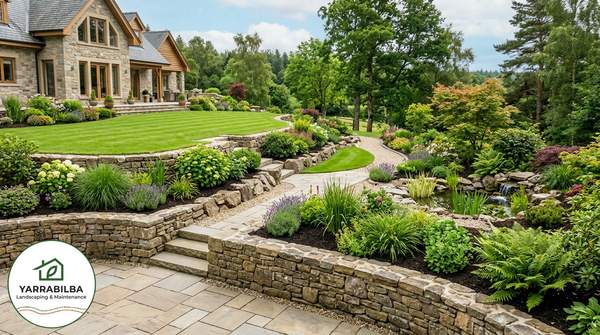
Retaining walls can help manage changes in ground level and create more defined areas on a sloping block. They may also support a layout that incorporates garden beds, pathways or usable outdoor zones. However, a retaining wall is more than a decorative border. Its design and construction need to account for soil pressure, drainage, wall height and site-specific requirements.
Before proceeding, homeowners should clarify the purpose of the work and whether engineering advice, approvals or other checks are needed. Drainage is especially important because water building up behind a wall can increase pressure and affect its performance. The wall's position in relation to boundaries, buildings and existing services also deserves careful attention.
Yarrabilba Landscaping & Maintenance offers earthworks and retaining walls among its stated services, alongside landscaping, paving and garden care. Considering these elements together can help homeowners plan a coherent outdoor layout rather than treating each task as an isolated job.
Choose Paving That Suits the Space
Paving can improve access, connect outdoor areas and give a garden a more organised appearance. It is useful for pathways, small courtyards, entertaining zones and transitions between the house and lawn. Before choosing a surface, think about where people will walk, how much use it will receive and how it will sit alongside existing landscaping.
The base preparation matters as much as the visible finish. Ground movement, poor drainage or an unsuitable base can contribute to uneven surfaces over time. Edges should be considered too, particularly where paving meets lawn or garden beds. A well-planned transition can make mowing and general maintenance easier.
Plan for Maintenance From the Beginning
A garden that looks impressive on completion still needs care. Lawn growth, weeds, fallen leaves and expanding plants all change the appearance of a yard over time. A realistic maintenance plan helps keep the space usable and reduces the chance of small tasks becoming a larger clean-up.
When choosing plants, consider how often they need pruning, whether they drop leaves or fruit, and how much water they require. Grouping plants by similar care needs can simplify watering. Mulched garden beds can help limit weeds and conserve soil moisture, although mulch still needs occasional topping up and should be kept clear of building materials where appropriate.
Think about access as well. Narrow gaps between plants and fences can be difficult to maintain, while paths that are easy to reach make regular care more convenient. If time is limited, prioritise a layout with manageable lawn areas, suitable plants and clearly defined garden beds.
Bring the Elements Together With a Clear Plan
Landscaping works best when the major decisions support one another. The position of a retaining wall can affect the layout of a path; paving can change how water moves across a yard; and plant selection can influence both privacy and future maintenance. Looking at the property as a whole helps avoid choices that solve one issue while creating another.
Start by listing the outcomes that matter most, then assess the condition and constraints of the site. Establish a sensible order of work, taking ground preparation and drainage into account before finishing surfaces or planting. Set a realistic maintenance expectation, too, so the finished garden suits the household's routine rather than creating a new source of work.
For Yarrabilba homeowners, Yarrabilba Landscaping & Maintenance brings together several services that can contribute to an outdoor improvement project, from landscaping and paving to earthworks, retaining walls and ongoing garden maintenance. Understanding how these services fit together can help property owners ask better questions, compare suitable approaches and plan with greater confidence.
A well-considered outdoor space is not defined by the number of features it contains. It is one that suits the property, supports everyday activities and remains practical as the garden grows. With clear priorities and attention to site conditions, homeowners can make steady improvements that help their outdoor areas look welcoming and work better for years to come.