European charcuterie began as a survival technique and became a culinary art, and the two great traditions that emerged reflect that journey differently. In France, guilds of specialized pork butchers formalized the craft in the 15th century, producing everything from sausages to whipped pâtés. On the Iberian Peninsula, the tradition runs older still—back to Roman salt-curing and mountain air—and centers on the air-cured ham. Understanding why these paths diverged means understanding geography, climate, and history as much as cooking.
From Necessity to Culinary Art: The Ancient Roots of Charcuterie
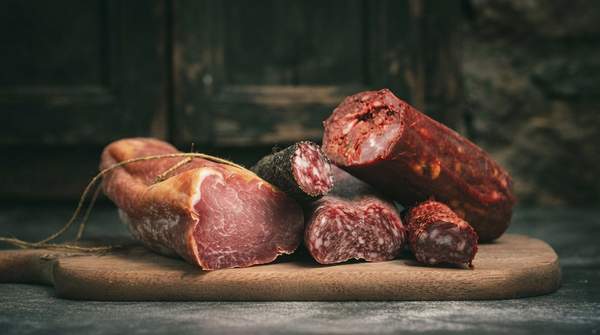
Before refrigeration, preserving meat was not a hobby but a necessity. People relied on curing with salt, smoking, and fermentation to extend the shelf life of meats, and these methods did more than keep meat edible—they enhanced its flavors, giving rise to the cured meats we enjoy today.
The Romans and Greeks are said to have developed methods for salt-curing meats, and the practice took deep root on the Iberian Peninsula. According to European Pork, an industry body promoting European pork products, the tradition of curing hams in Spain and Portugal dates back to the Roman Empire and has evolved through history. At that time, hams were already being covered with salt for a number of days and then cured in mountain air.
That detail matters more than it might seem. The mountain air was not incidental—it was the preservative environment itself, and it left a permanent mark on the language: the Spanish term serrano means "from the mountains." A product's very name still records the geography that created it.