When you ferment a beverage, the vessel is never neutral. The porous terracotta of a Georgian kvevri, the rough grain of an oak vat, and the polished wall of a stainless steel tank each create a different environment for the microbes that do the work—and each leaves a different signature in the finished drink. I want to walk you through the history and material character of these three traditions, because understanding them changes how you taste, and how you brew.
The Ancient Roots of Fermentation Vessels
Fermentation vessels are among the oldest tools of human food culture, and their story is one of slow material evolution punctuated by industrial leaps. The first historical evidence of brewing methods in northern Europe appears between 500 and 1000 AD, according to the Oxford Companion to Beer, and by that time the preferred fermentation vessel was already made of wood, usually oak. That preference endured for nearly a millennium.
What strikes me about this history is how quickly the vessel became an object of deliberate engineering rather than accident. Early brewers used raw, unlined wood, but by the 1800s most wooden fermentation vessels were lined with tar, pitch, or resin—a recognition that the wood's soft, rough, penetrable surface was something to be managed, not embraced. The tension between embracing a material's character and suppressing it runs through everything that follows.
Clay Vessels: The Kvevri's Unique Influence
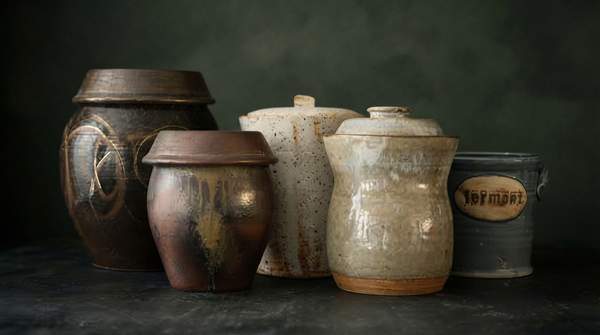
Georgia's kvevri offers the clearest example of a vessel whose design is inseparable from the drink it produces. These are traditional Georgian vinification vessels, continually used for over 8,000 years, made of porous terracotta clay. Their form is distinctive: a teardrop silhouette, with an egg-shaped belly tapering into a conical bottom.
That shape is not decorative. As Letina's guide to wine fermenters explains, the conical bottom lets the lees—the spent yeast and sediment—settle there, which reduces the bitter tannins in the finished wine. The result, the same account reports, is less acidity in the glass. Here the vessel's geometry does quietly what a modern winemaker might attempt with fining agents or racking schedules.
Yet the kvevri is not a practical choice for everyone, and its advocates are candid about that. Winemakers estimate they could fill as much as ten times more bottles using modern stainless steel equipment, and the terracotta demands careful sanitization. The kvevri rewards patience and labor with a character that steel cannot easily imitate—but the cost is real.