Modern, Scandinavian, French Country, and English Country interiors differ on almost everything that matters—materials, furniture, light, and mood. I'll break down each style's defining characteristics, then place them side by side in a comparative guide so you can identify which one matches your taste. One note on scope: this guide covers four well-documented European styles rather than every historic movement, and it focuses on decorating characteristics rather than design history.
Modern European Design: Form and Function
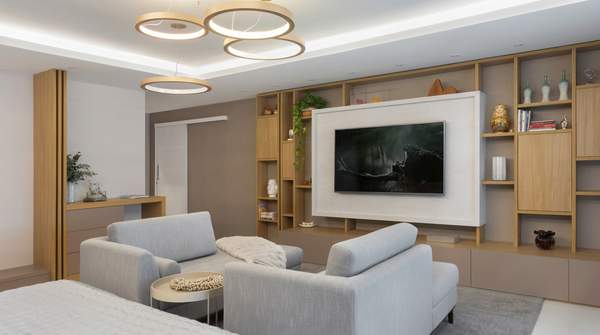
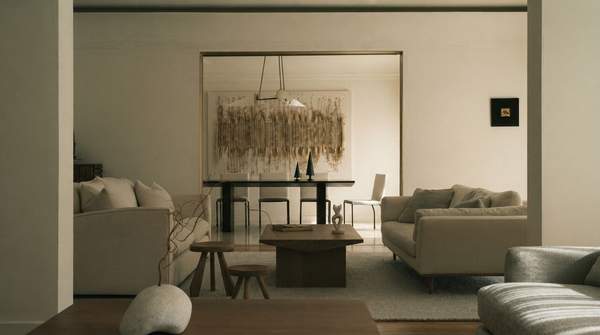
Modern design is defined by clean lines, neutral colour palettes, and functional furniture, according to design retailer Maison Flâneur's style guide. It embraces simplicity, uncluttered spaces, and practicality while maintaining an elegant, timeless aesthetic. Large windows and sleek materials like glass, wood, and metal maximise natural light and blur the boundary between indoors and outdoors.
The style draws on twentieth-century modernism and early 1900s advances in technology and materials. Design historian Simone Baur credits Walter Gropius, Mies van der Rohe, Eileen Gray, Marcel Breuer, and Le Corbusier as the key figures of Modernist architecture and Bauhaus design. Le Corbusier's five principles—supporting columns, long window strips, roof gardens, open-plan living, and a free facade—were made possible largely by reinforced concrete and were all embodied in his Villa Savoye, which he called a "machine for living." If your eye is drawn to geometry, restraint, and industrial materials, this is your foundation.
Scandinavian Style: Simplicity and Natural Light
Scandinavian design takes Modernism's functional instincts and softens them with nature. It is known, in Maison Flâneur's description, for minimalist aesthetics, functional layouts, and a signature blend of minimalism and warmth. The practical recipe is simple: natural light, pale woods, and cosy textiles that create a serene, comfortable environment.
Writing for Styylish, designer Silke Berlinghof describes Scandinavian design as a minimalist, functional approach that has become a defining aspect of European interior design—clean lines with a strong emphasis on light, suited to anyone who wants a clutter-free but cosy environment. The distinction from hard-edged Modernism is the warmth: where a Modern room might pair concrete with steel, a Scandinavian room pairs white walls with light wood and soft textures. If you want calm and brightness above all, this style delivers it.