
Oral Tradition
5 articles

How Folk Ballads Keep History Alive: The Mechanisms Behind Griot, Indian, and Appalachian Traditions
Folk ballads act as vital instruments of memory, preserving history, genealogies, and cultural values across West Africa, India, and Appalachia through specific mechanisms like lyrical narrative, symbolic performance, and the performer's social role. The article compares these traditions and discusses their adaptation in the modern era.
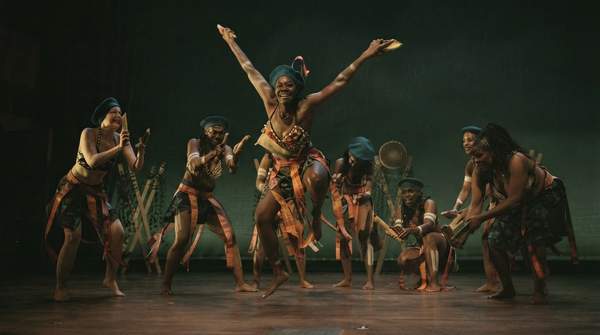
The Griot: West Africa's Living Library and Cultural Voice
Griots are West Africa's living libraries, serving as oral historians, storytellers, musicians, and diplomats who preserve cultural heritage and community memory. Their multifaceted roles, dating back to the Mande Empire, involve intricate storytelling, musical performance with instruments like the kora, and diplomatic mediation, ensuring traditions are passed across generations.
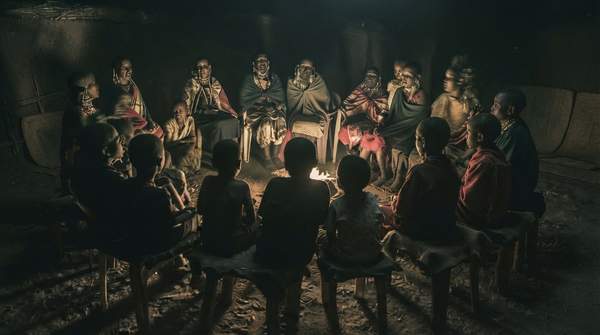
The Cultural Blueprint in West African Proverbs
West African proverbs are sophisticated tools for moral guidance, cultural preservation, and social harmony, encapsulating ancestral wisdom to shape identity and behavior. They function as living instruments for navigating life, resolving conflict, and educating future generations.
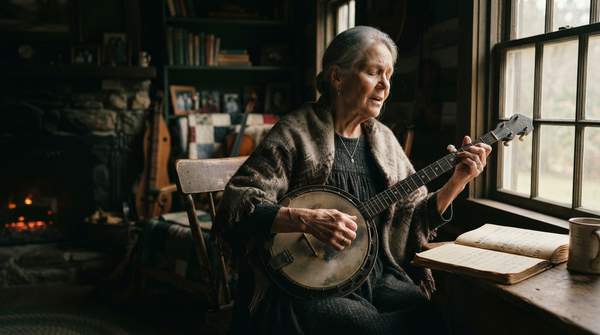
The Story in the Song: How Appalachian Ballads Preserved a Region's Identity
Appalachian ballads, nurtured by oral tradition and geographic isolation, served as a vital archive for preserving the region's history, cultural memory, and identity. These story-songs, blending European and African influences, chronicle love, tragedy, and local events, offering a profound connection to the past.

Oral Traditions Preserve Cultural Heritage by Living It—Oral History Preserves It by Recording It
Oral traditions are living cultural heritage passed by word of mouth, preserving community knowledge and identity. Oral history is a modern documentary practice of recording interviews to preserve this heritage when transmission is at risk.