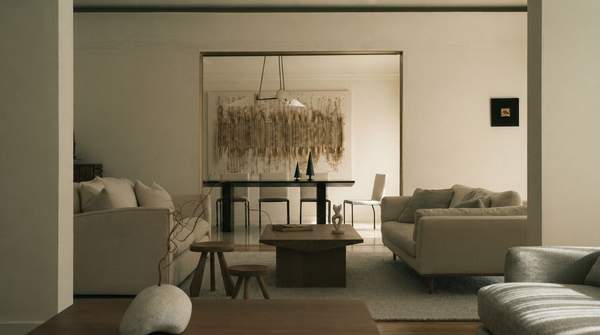
Home remodeling can begin with a single frustration. Perhaps a kitchen no longer functions for the household, several rooms feel disconnected, or an older floor plan simply does not support the way the family lives today.
But once a remodeling project grows beyond a few cosmetic changes, the number of decisions can become overwhelming. That is where professional design expertise can become especially useful. Next Level Austin works with homeowners in the greater Austin area on remodeling and new-construction projects, helping clients develop the vision, create plans, make selections, and coordinate the design process through completion.
Here are five signs that it may be time to bring a professional design firm into your remodeling plans.
1. You Have Plenty of Inspiration but No Clear Plan
Pinterest boards, saved photographs, magazine clippings, and showroom visits can provide plenty of inspiration.
The challenge is deciding what to do with all of it.
A collection of beautiful spaces does not automatically translate into a cohesive design for a specific home. Different architectural styles, room dimensions, lighting conditions, materials, and lifestyles all affect what will work.
Next Level Austin's process begins with an introductory meeting focused on the homeowner's goals, desired aesthetic, and project scope. Clients are encouraged to provide inspirational images and their own input so the design team can understand what they are trying to achieve.
That creates a bridge between inspiration and execution.
Instead of simply asking which room looks best in a photograph, the conversation can focus on what specifically appeals to the homeowner and how those preferences can translate into the actual property.
2. Your Remodel Involves Many Interconnected Decisions
A remodeling project rarely consists of one decision.
Flooring can influence cabinetry. Cabinetry can affect hardware. Lighting needs to work with the room's layout. Furniture needs to fit the available space. Tile, plumbing fixtures, electrical details, window treatments, artwork, and other selections can all become part of the same design conversation.
Next Level Austin's project coordination process can encompass purchases, shipments, appointments, returns, storage, elevations, CAD drawings, tile layouts, lighting, electrical, art, furniture, window treatments, hardware, and other project requirements.
For homeowners, this kind of coordination can make a complicated remodeling process easier to organize.
Rather than making every decision independently, the design can be approached as a connected whole.
3. You Are Working With a Builder or Architect
Major remodeling projects often involve more than the homeowner and designer.
If an architect or builder is already involved, bringing the design team into the process early can help establish a common vision. Next Level Austin states that it partners with clients, architects, and builders on new-construction and remodeling projects to develop the vision, create plans, determine selections, and steer the project toward completion.
Its residential process also notes that the firm can share project notes with an existing builder or architect and can recommend professionals with whom it regularly works when a homeowner needs those connections.
The benefit is not simply having more professionals involved. It is having design decisions considered alongside the practical realities of construction.
4. You Want the Home to Feel Cohesive
One room can look beautiful while the overall home still feels disjointed.
This often happens when design decisions are made one at a time without a broader vision. A living room may have one aesthetic, while the kitchen, hallway, bedrooms, and exterior follow unrelated directions.
Next Level Austin describes its interior design approach as personalized and one-of-a-kind, with designs inspired by clients' tastes and lifestyles.
That emphasis on personalization can help homeowners think beyond individual purchases.
The goal is not necessarily to make every room identical. Instead, the spaces can have their own identities while still contributing to a coherent overall environment.
5. You Want Someone to Help Carry the Project Beyond the Design Board
Choosing finishes is only one part of remodeling.
The selections have to be ordered, delivered, coordinated, and eventually installed. Next Level Austin's residential process includes project coordination and installation management, with the team overseeing installation through preferred professionals after items arrive at its affiliate warehouse.
That can be an important consideration for homeowners who do not want to manage every logistical detail themselves.
The firm's interior design service is overseen by a Lead Designer and Project Manager, while its remodeling and new-construction service involves working with clients, architects, and builders throughout the project.
When Professional Design Makes Sense
Not every home update requires a full-service design firm.
Next Level Austin offers limited design consultation for smaller projects such as home staging, room layouts, and paint color consultations. For larger remodeling and new-construction projects, however, its services extend into comprehensive design planning and project coordination.
The right level of support depends on the scope of the project.
If you are repainting one room, a focused consultation may be enough. If you are restructuring multiple spaces, coordinating construction, or making dozens of interconnected selections, a more comprehensive approach may provide greater value.
A Better Way to Approach a Remodel
The best time to consider professional design support is often before the remodeling work begins.
Starting with a clear vision can help homeowners think through their priorities before construction and purchasing decisions are underway. It can also create a framework for working with builders and architects.
For Austin-area homeowners, Next Level Austin offers residential interior design, remodeling and new-construction services, as well as limited consultation for smaller projects.
A remodel is a significant investment of time, money, and attention. Bringing the design process into the project early can help turn a collection of ideas into a coordinated plan—and ultimately, a home that feels intentionally designed rather than simply renovated.